The Truth About Horns: What Real Vikings Wore
The image of a Viking warrior storming a beach with massive bull horns protruding from his helmet is one of the most recognizable icons in the world. However, if you were to travel back to 10th-century Scandinavia, you wouldn't find a single warrior dressed this way. The horned helmet is a complete historical fabrication, popularized by 19th-century costume designers for Wagnerian operas. To understand what the Northmen actually wore, we have to look past the theater and into the burial mounds and peat bogs where history is preserved.
The Engineering of the Norse Helmet
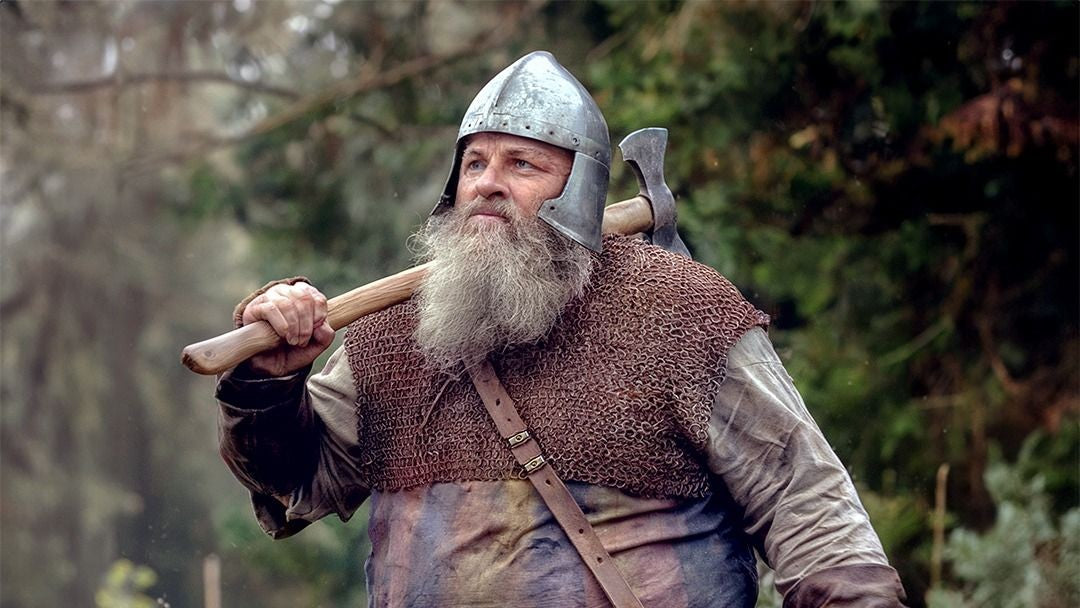
Real Viking helmets were masterpieces of practical engineering, designed for one purpose: survival. The most famous example is the Gjermundbu helmet, discovered in Norway. This iron cap features a rounded top to deflect downward blows and a protective "spectacle" guard that shielded the eyes and the bridge of the nose.
Adding horns to such a design would have been a death sentence in a real shield-wall. A horn provides a perfect "handle" for an enemy to grab or a snag point for a swinging axe, which could snap the wearer's neck or yank the helmet off entirely. For the true Viking, headgear was smooth, sturdy, and strictly functional. Because iron was incredibly expensive, many warriors likely wore reinforced leather caps or simply relied on their sturdy wooden shields for protection.
Wool and Linen: The Real Fabric of the North
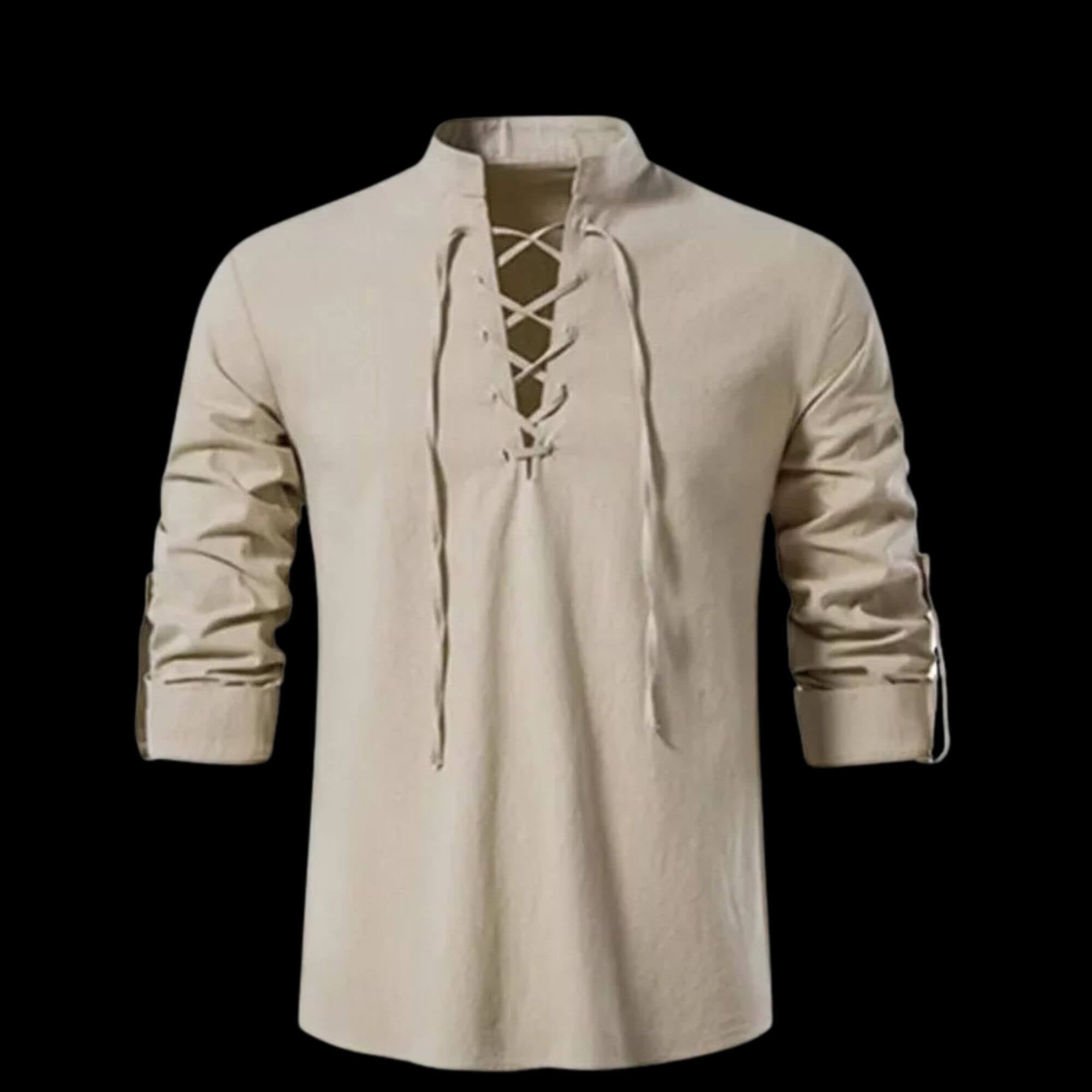
While movies favor heavy leather armor and dark furs, the reality was much more colorful and textile-heavy. The primary material for Viking clothing was wool, which stays warm even when wet; a necessity in the North Atlantic. Underneath their wool tunics, those who could afford it wore fine linen shifts to prevent itching and absorb sweat.
Archaeological finds show that the Vikings were skilled weavers who loved intricate patterns. They used natural dyes to create vibrant reds, blues, and yellows. A wealthy Viking didn't want to blend into the shadows; they wanted to stand out. Furs were indeed used, but usually as trim for cloaks or as heavy winter overcoats, rather than the full-body leather "bikers in the woods" aesthetic often seen on television.
The Importance of the Brooch and Belt
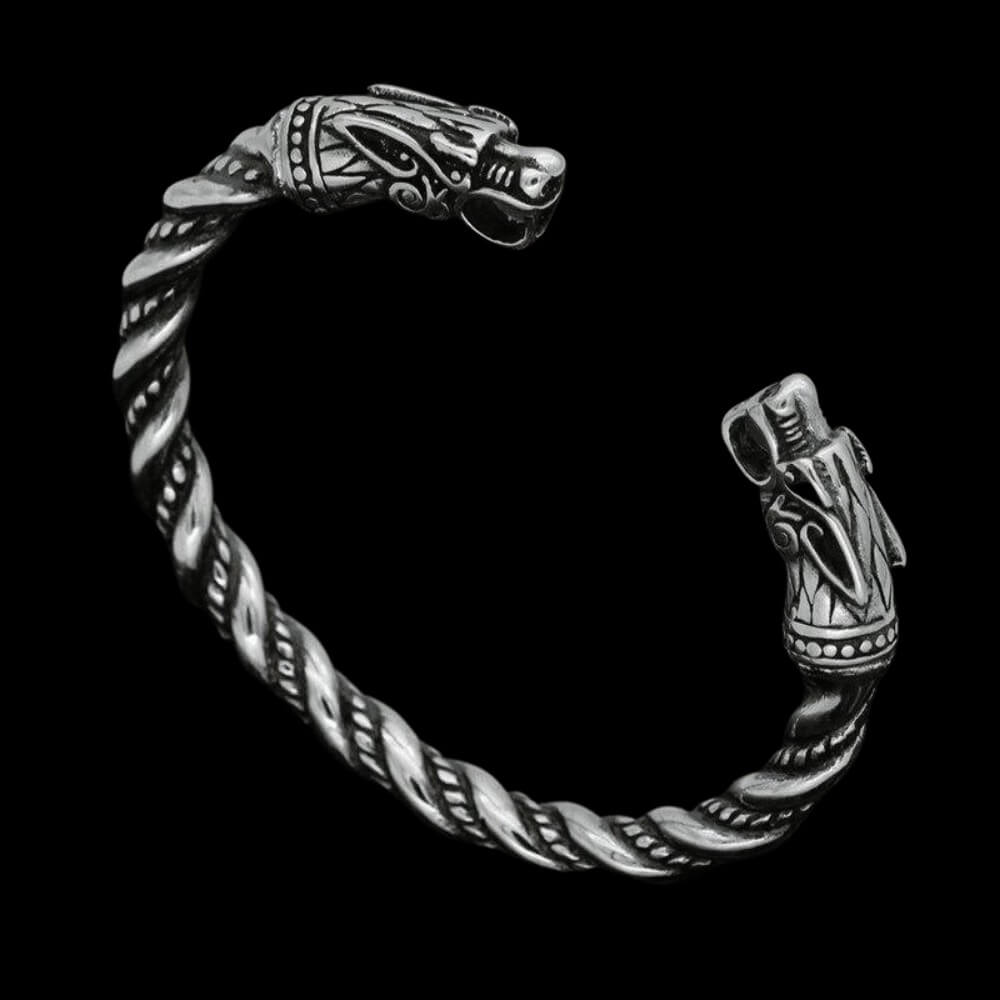
For a Viking, jewelry was rarely just for show; it was functional. Because buttons did not exist in Viking Age Scandinavia, clothes were held together by pins and brooches. Women famously wore "tortoise brooches," large oval bronze fasteners that held the straps of their apron dresses. These brooches often had chains hanging from them to hold essential tools like keys, shears, and sewing kits.
Men used penannular brooches, large, ring-shaped pin, to fasten heavy wool cloaks over their right shoulders, leaving their sword arm free. Belts were also critical, made of sturdy leather and adorned with bronze or silver buckles. These belts carried everything from utility knives (seaxes) to pouches for silver coins and whetstones for sharpening blades on the go.
Footwear Built for the Long Journey
Viking footwear was surprisingly sophisticated. They wore "turnshoes," which were sewn inside-out and then flipped to hide the seams, making them more water-resistant and durable. These shoes were made of goat or calf leather and were often thin-soled, which allowed warriors to feel the ground beneath them; a vital advantage when fighting on the deck of a rocking longship or on uneven, muddy terrain. In winter, they would stuff these shoes with dry grass or wear thick wool socks to prevent frostbite.
Grooming: The Secret Weapon
If there is one myth that does the Vikings a disservice, it is that they were unkempt barbarians. Historical accounts from the people they encountered tell a different story. Vikings were noted for their cleanliness, often bathing every Saturday and frequently grooming their hair and beards.
Archaeologists have found more combs, tweezers, and ear-spoons in Viking graves than almost any other type of artifact. A Viking’s appearance was a point of pride; a well-trimmed beard and braided hair were the marks of a free man who respected himself and his kin. The "warrior look" was less about grime and more about precision and status.