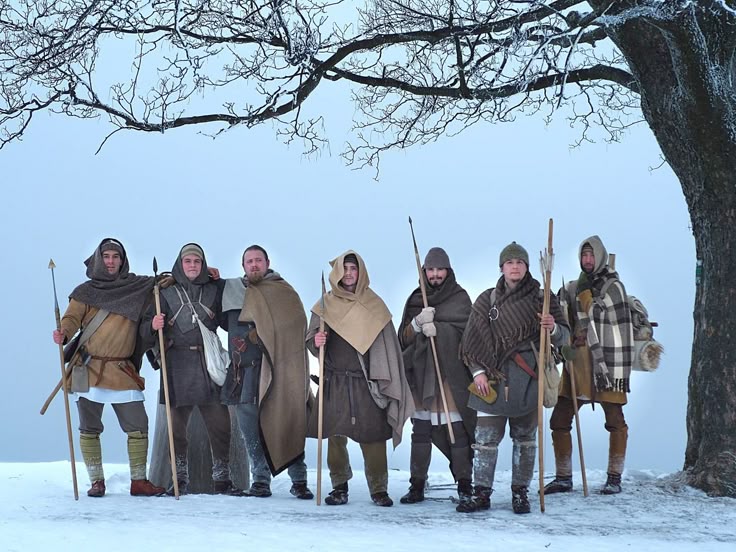
Beyond the Horned Helmet: The True Wardrobe and Tools of the North
The popular image of a Viking; a hulking warrior draped in dark furs and wearing a helmet crowned with massive horns, is a creation of Victorian opera and modern cinema. In reality, the people of the Viking Age were practical, color-loving, and surprisingly well-groomed. To truly understand the Norse culture, we must peel back the layers of Hollywood fiction and look at the archaeological evidence of what they actually wore and carried into battle.
The Myth of the Horned Helmet
The most persistent myth in all of Norse history is the horned helmet. In truth, there is not a single archaeological find of a horned helmet intended for combat from the Viking Age. Such a design would be a liability in a real fight, as an opponent's sword or axe could easily catch on a horn and wrench the wearer's head aside. Viking helmets were actually sleek, conical, or rounded iron caps, often featuring a "spectacle" guard to protect the eyes and nose. These were rare and expensive items, with many warriors relying on simple leather headgear or going without.
A World of Vibrant Color
Modern media often portrays the Vikings in drab blacks, browns, and grays. However, the Norse people had a deep love for color as a way to display wealth and status. Using natural dyes derived from plants and minerals, they produced clothing in brilliant shades of madder red, woad blue, and weld yellow. While the poorest might wear undyed wool, a successful trader or warrior would boast a tunic of deep crimson or a cloak of vibrant indigo. Silk, imported from as far away as Byzantium and Persia, was also a highly prized luxury found in the graves of the Norse elite.
Layers of Practicality: Wool and Linen
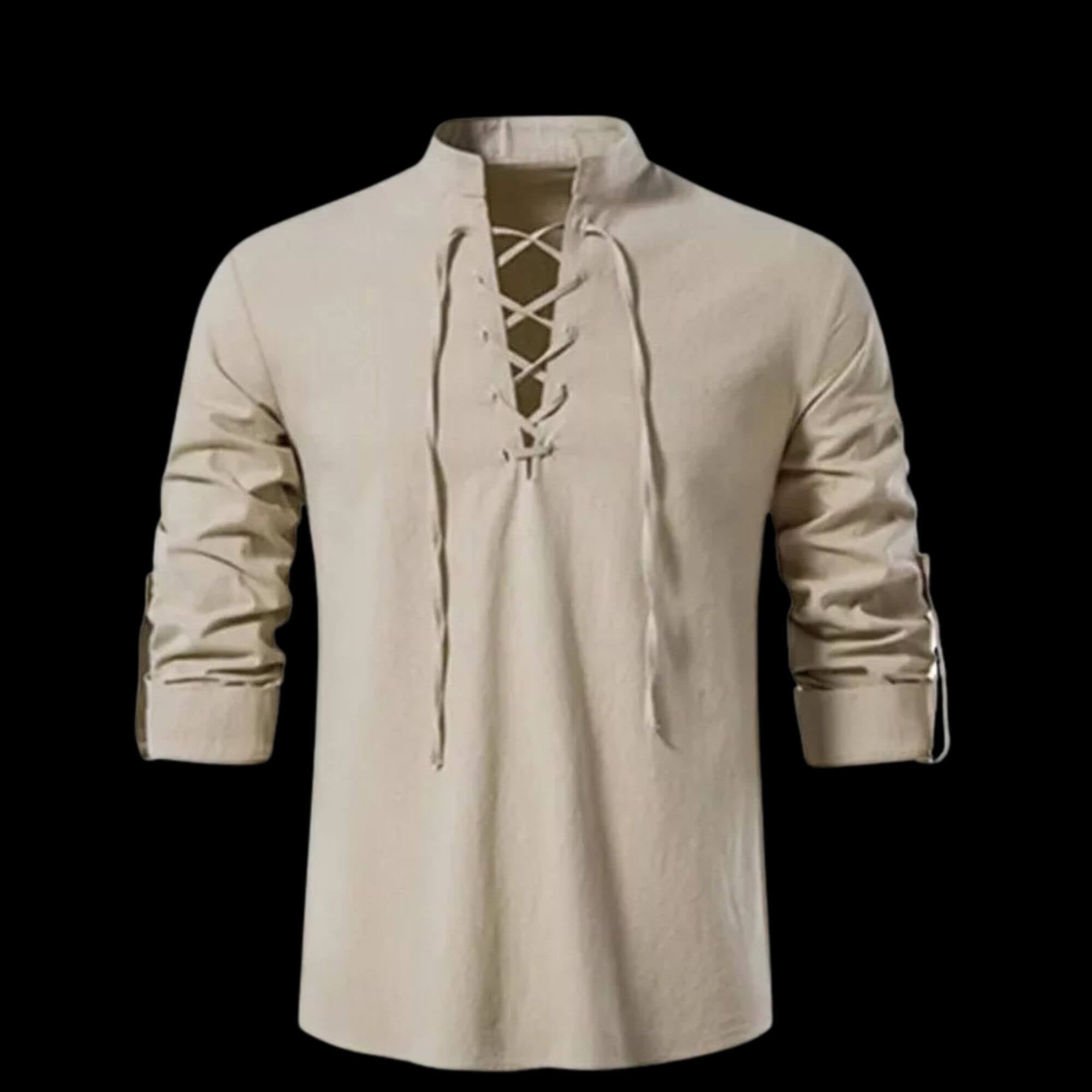
Viking clothing was designed for the volatile Scandinavian climate, prioritizing layering and durability. Men typically wore a linen undershirt followed by a wool tunic, cinched at the waist with a leather belt. Trousers could be either narrow or incredibly baggy "balloon" styles that required a great deal of fabric; another sign of status.
Women wore a long linen chemise covered by a wool "strap dress" or apron dress, fastened at the shoulders with large, ornate bronze brooches. These brooches were not just decorative; they held strings of glass beads and essential tools like small knives, keys, and whetstones, reflecting the Norse woman’s role as the manager of the household.
Grooming and Hygiene: The Cleanest Warriors
The idea of the "dirty Viking" is perhaps the greatest irony of history. Contemporary accounts from Anglo-Saxon England actually complain that Viking men were too clean, as they bathed weekly (usually on Saturdays, or "Laugardagur"), combed their hair frequently, and changed their clothes often. Archaeologists have recovered more grooming kits, containing bone combs, ear spoons, tweezers, and razors, than they have swords. A well-groomed beard and a neat hairstyle were marks of a free man, and hygiene was a central part of their social identity.
Tools and Weapons of the Common Man
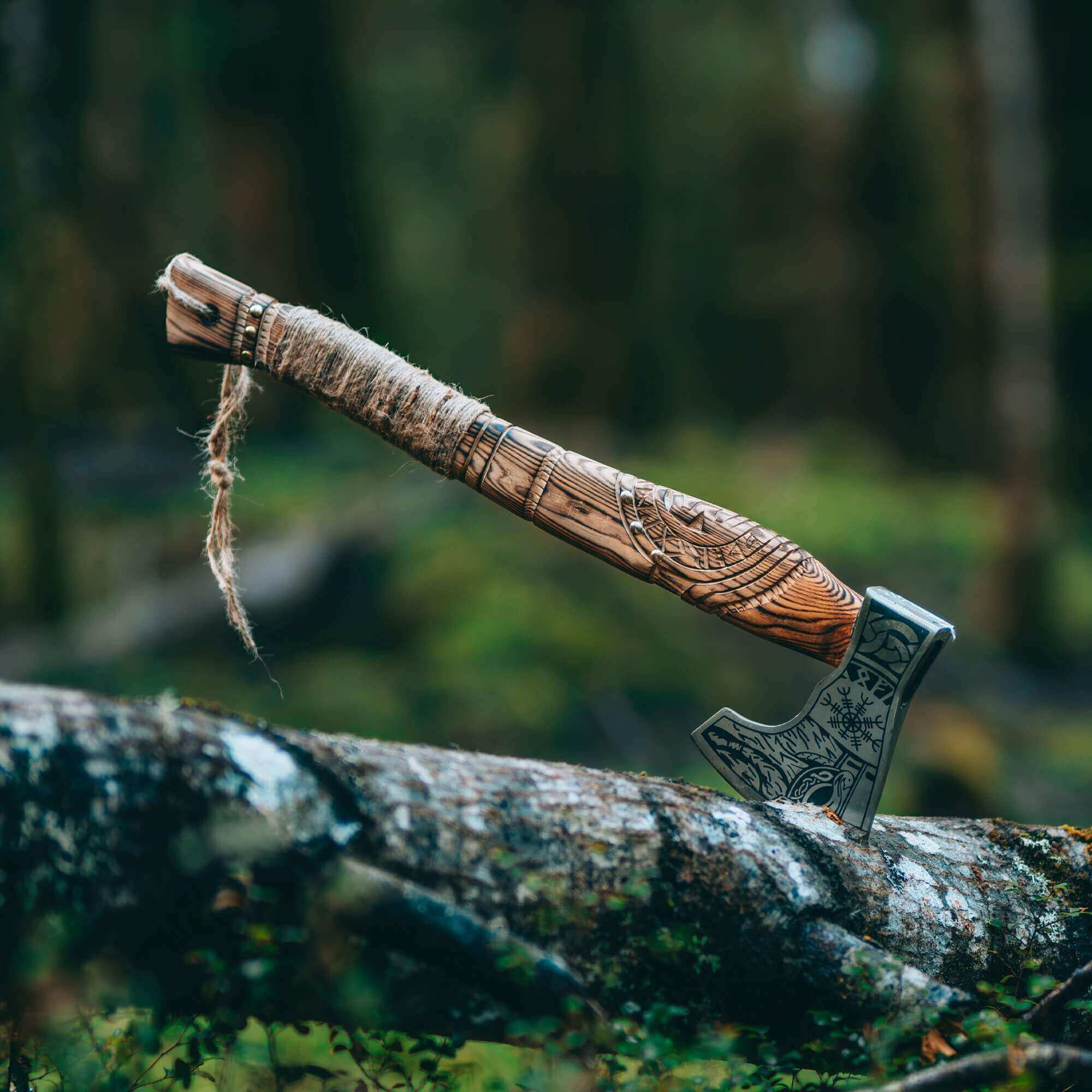
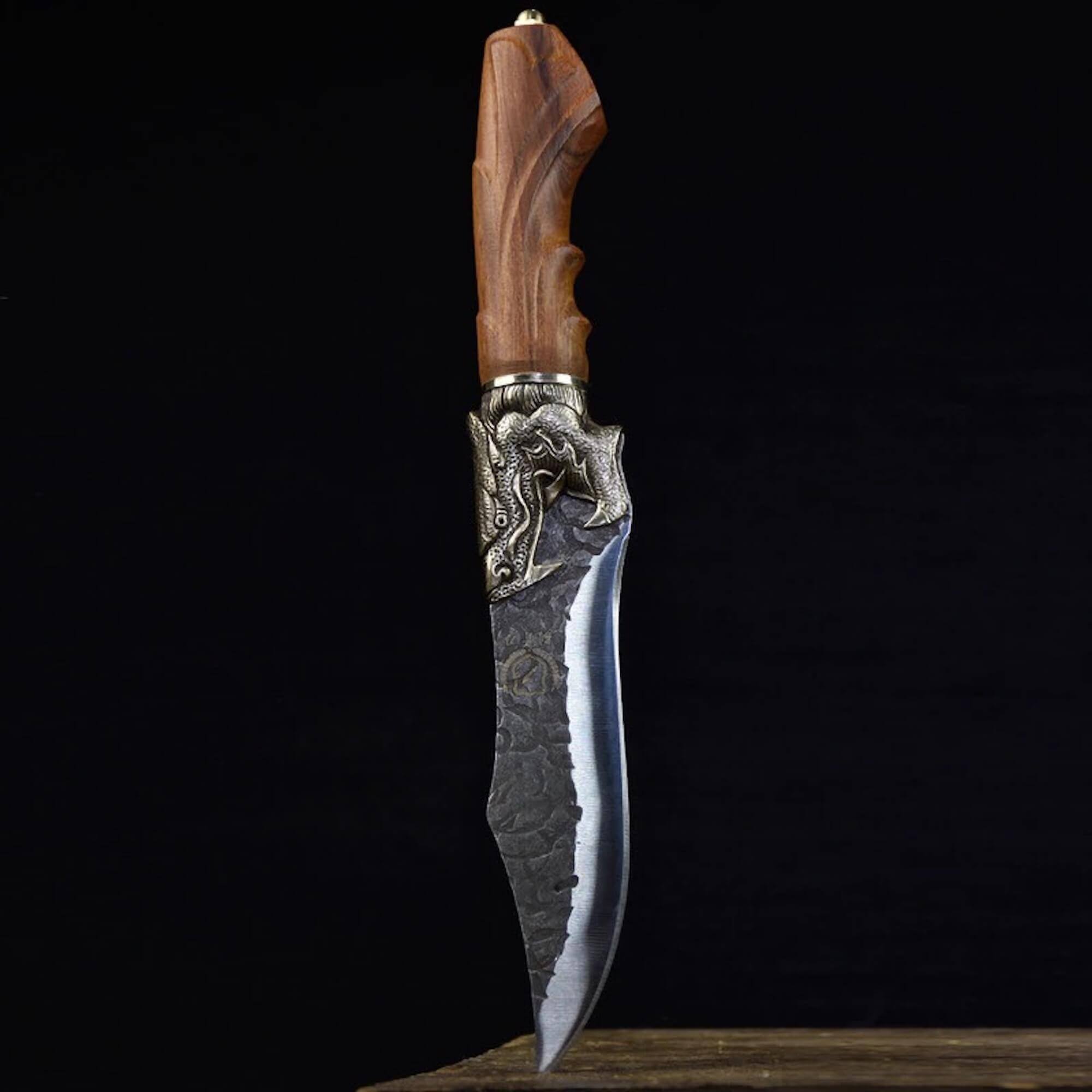
While the sword is the most famous Viking weapon, it was a high-status item that few could afford. The average Norseman went to war with the same tools he used on the farm: the axe and the spear. The "bearded axe" was a masterpiece of design, with a hooked lower edge that could be used to pull down an opponent’s shield or trip them in a struggle.
The most essential piece of equipment, however, was the round wooden shield. Made typically of linden or fir wood and reinforced with an iron boss in the center, these shields were light, maneuverable, and often painted with bold geometric patterns or mythological symbols. They were not just for protection; they were a canvas for the warrior's personal and familial pride.