The Viking Herbalist: Ancient Norse Plants for Healing and Health
The popular image of the Viking Age is often dominated by iron, wood, and bone. We visualize warriors relying on physical toughness to survive wounds and harsh winter climates. However, the true survival of the Norse people rested heavily on an intricate, highly advanced understanding of the natural world. Long before the advent of modern medicine, Norse healers, primarily women known as wise women or herbalists, utilized the rich flora of the Scandinavian and European wilderness to treat infections, soothe chronic pain, and maintain everyday vitality.
The Spiritual Root of Norse Medicine
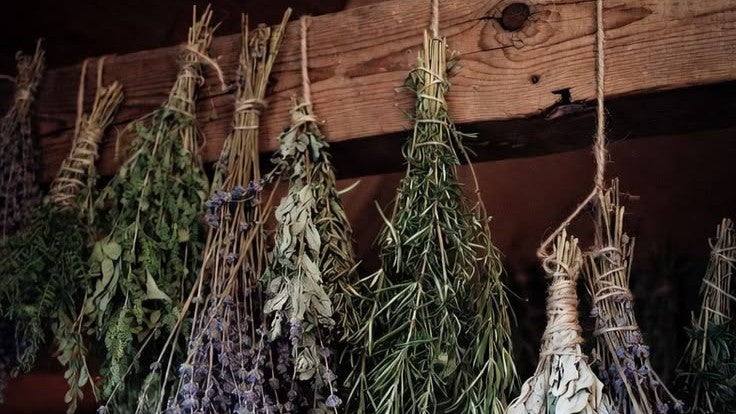
In the Old Norse worldview, health was not merely a physical state, but a spiritual balance. Sickness and infection were often viewed as the work of unseen spirits, malicious elves, or a disruption in a person’s natural luck and life force. Because of this, the practice of herbalism was deeply intertwined with folklore and ritual. A Viking herbalist did not simply pluck a plant from the earth. Herbs were harvested during specific lunar phases, at dawn, or during sacred seasonal shifts like Midsummer, when the life force of the earth was believed to be at its peak. The healing process combined the practical application of plant chemistry with spoken charms to unlock the full protective spirit of the vegetation.
Meadowsweet and Yarrow: The Battlefield Remedies
Among the most prized plants in the Norse apothecary were meadowsweet and yarrow, both of which grew abundantly across Northern Europe. Meadowsweet contains salicylic acid, the active chemical compound found in modern aspirin. Norse herbalists used infusions of meadowsweet to break severe fevers, alleviate debilitating headaches, and soothe the joint pain brought on by cold, damp winters in the longhouse.
Yarrow was the ultimate battlefield remedy, earning a reputation as a powerful wound healer. It contains natural astringent properties that cause tissues to contract, making it incredibly effective at stopping bleeding from deep cuts and axe wounds. The leaves were crushed into a poultice and applied directly to open flesh, acting as an early antiseptic that saved countless warriors from the lethal grip of gangrene and blood poisoning.
The Leek Garden: Ancient Nutrition and Infection Testing
The cultivation of leeks, garlic, and wild onions was so critical to Norse society that the standard Old Norse word for a kitchen garden was "laukagarðr," which literally translates to leek garden. These allium plants were staples of the daily diet, prized for their ability to boost the immune system and stave off winter illnesses.
Beyond nutrition, leeks played a fascinating role in Norse triage and medical testing. According to the historical sagas, when a warrior suffered a deep torso wound, the herbalist would feed them a strong, highly concentrated broth made from leeks and onions. After a short period, the healer would smell the wound site. If the distinct odor of leeks could be detected wafting from the gash, it indicated that the stomach or intestinal wall had been punctured, signaling that the injury was fatal and internal infection would soon take hold.
Juniper and Sphagnum Moss: Pure Hygiene and Preservation
Living in close quarters inside smoky, earth-floored longhouses made hygiene and air quality a constant challenge. To combat airborne illness and parasites, the Norse relied heavily on juniper. Burning juniper branches and berries was a common method for fumigating the home, clearing out stale winter air, and discouraging pests. Juniper berries were also crushed into teas to treat kidney ailments and digestive issues.
For external hygiene, particularly during seafaring voyages and military campaigns, the Vikings utilized sphagnum moss. This specific moss grows in abundance throughout northern bogs and possesses unique antibiotic and antifungal properties. It was used as a sterile, absorbent wrapping for wounds, keeping bacteria out of healing flesh far better than standard linen or wool wraps could manage alone.
The Living Legacy of the North
The practices of the Viking herbalist prove that the Norse people were not primitive brutes, but careful observers of nature’s lifecycle. They recognized that the same wilderness that presented such harsh challenges also provided the exact tools needed for survival and recovery. By studying the seasonal shifts and chemical properties of local plants, they built a lineage of natural wellness that allowed their communities to thrive, explore, and conquer.