The Völva's Staff: Symbols of Power, Prophecy, and Magic in the North
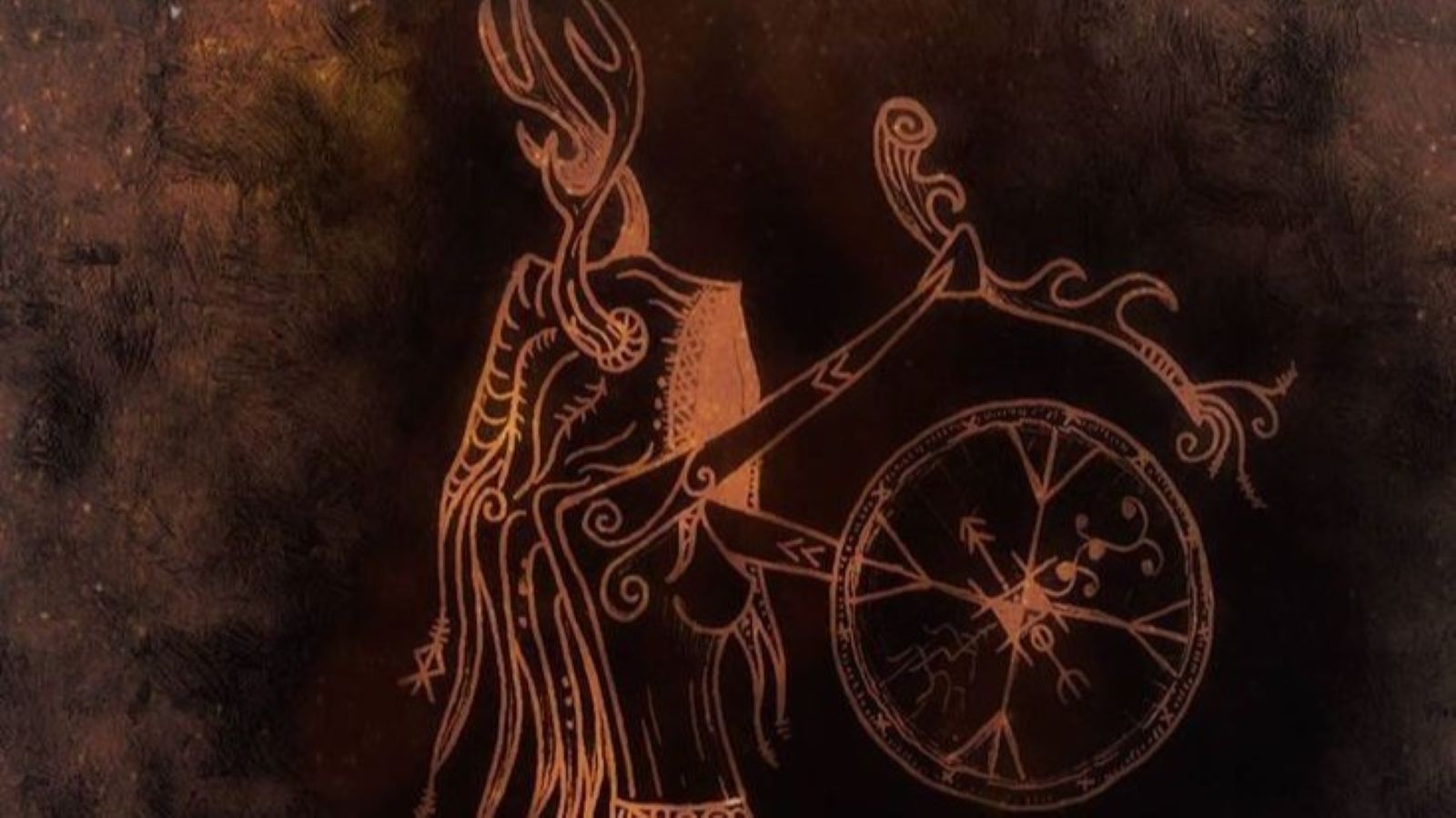
When archaeologists across Scandinavia began uncovering the rich graves of Viking Age women, they found artifacts that challenged early assumptions about early medieval society. Alongside elaborate silver jewelry, silk textiles, and domestic tools lay long, heavy rods forged from iron, bronze, and wood. These were not weapons, nor were they ordinary household implements. They were the physical staffs of the Völva; the revered seeresses and sorceresses of the Norse world. Known in Old Norse as the seiðstafr, this ceremonial staff was the ultimate symbol of spiritual authority, magical mastery, and social prestige in the North.
The Sacred Authority of the Seeress
In the Old Norse language, the word Völva translates literally to "staff-carrier" or "wand-bearer." The staff was not merely an accessory; it was the defining attribute that gave the seeress her name and title.
A Völva was a practitioner of seiðr, a complex form of Norse magic concerned with discerning fate, altering outcomes, altering perception, and communicating with ancestral spirits. Unlike traditional warriors whose authority rested on iron armor and physical force, the Völva commanded respect through her deep knowledge of cosmic law and the unseen realms. She traveled from settlement to settlement during the long winter months, welcomed into chieftain halls to perform rituals for the entire community. Carrying her staff into a hall immediately signaled to everyone present that a powerful spiritual mediator had arrived.
Anatomy of the Seiðstafr: Iron, Bronze, and Symbolism
Archaeological excavations, such as the famous Fyrkat grave discovery in Denmark and the Klinta burial in Sweden, have provided a clear picture of what these magical staffs looked like. Far from simple wooden walking sticks, many were intricate works of metalworking craftsmanship.
-
Iron and Bronze Construction: Many surviving staffs measure between three to four feet in length and are crafted from heavy iron or bronze. Their weight alone indicates they were held during seated or standing rituals rather than used for simple trekking.
-
The Distaff Connection: Structurally, many staffs resemble a enlarged drop spindle or distaff; the tool used by women to spin raw wool into yarn. This design was deeply symbolic. In Norse mythology, fate (örlög) was spun into threads by the Norns at the roots of Yggdrasil. By wielding a staff shaped like a spinning tool, the Völva symbolically demonstrated her ability to manipulate, weave, and unravel the threads of human destiny.
-
Polyhedral Knobs and Houses: The tops of these staffs frequently feature heavy, faceted metal knobs, cage-like structures, or miniature representations of houses or halls. Historians believe these house-like tops represented the spiritual dwelling of the seeress or a focal point for housing land spirits (landvættir) during rituals.
The Staff in Ritual and Trance Work
The seiðstafr played a practical and psychological role during the high point of a seeress's ceremony: the seiðhjallr, or high platform ritual.
To perform her prophecy, the Völva would mount a raised wooden scaffold built in the center of the hall, surrounded by women chanting ritual songs known as varðlokur. Resting her hands or chin upon the heavy staff provided physical stability as she entered a state of altered consciousness or trance. The staff served as an anchor, grounding her body to the physical earth while her mind traveled across the Nine Realms to gather information about upcoming harvests, weather patterns, or the fates of warriors.
Furthermore, the staff was used as a wand to direct energy during magical practices. Sagas describe seeresses striking the ground or tapping individuals with their rods to cast protective wards, dispel malevolent spirits, or bestow blessings of luck and health upon a household.
The Legacy of the Wand-Bearer
The discovery of the Völva’s staff proves that power in the Viking Age took many forms. While kings and jarls ruled through political alliances and physical force, the Völva wielded an ancient spiritual authority that even the highest leaders feared and respected. The seiðstafr remains one of the most compelling artifacts of the ancient North—a tangible bridge to a world where fate was spun like thread, and a heavy iron rod could command the respect of an entire hall.