
The Varangian Guard: When Vikings Ruled the Mediterranean
While the popular image of the Viking is often fixed upon the cold, grey North Sea, some of the most elite warriors of the Norse world found their fortune in the sun-drenched marble streets of Constantinople. Known to the Vikings as Miklagard, or the Great City, this was the heart of the Byzantine Empire. Here, the Norsemen did not come as simple raiders, but as the personal protectors of the Emperor himself. This elite unit, known as the Varangian Guard, became the most feared and respected military force in the Mediterranean, proving that the Viking reach extended far beyond the fjords of Scandinavia.
From the Longship to the Imperial Palace
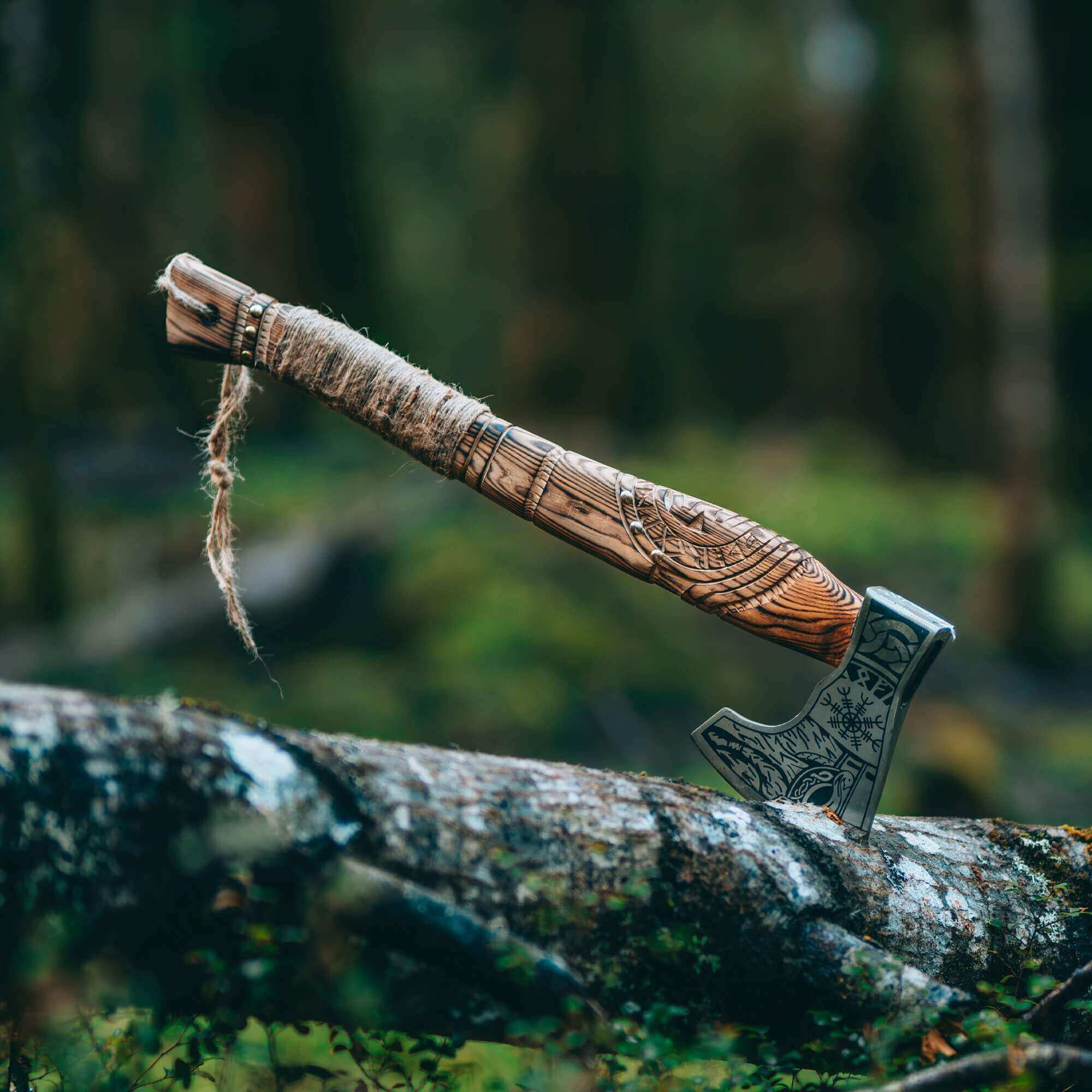
The Varangian Guard was officially established in the late 10th century when the Byzantine Emperor Basil II received six thousand warriors from Vladimir I of Kyiv. These men were rugged, battle-hardened Norsemen who had traveled down the great river routes of Eastern Europe. Basil, wary of his own treacherous local guards, realized that these foreigners were bound by a fierce code of personal loyalty and had no stake in Greek political conspiracies. The Varangians became the "Axe-bearing Guard," recognizable by the massive, long-handled Dane axes they carried over their shoulders. They stood as the final line of defense at the Emperor’s side, guarding his bedchamber, his treasury, and his person during public processions.
The Legend of Harald Hardrada
Perhaps the most famous member of the Varangian Guard was Harald Sigurdsson, later known as Harald Hardrada, the King of Norway. Long before he met his end at the Battle of Stamford Bridge in 1066, Harald spent nearly a decade in service to the Byzantine Empire. Under the golden sun of the Mediterranean, he rose to become the commander of the Guard, leading Norse warriors into battle across Sicily, North Africa, and the Levant. The sagas tell us that Harald and his men amassed so much wealth in Byzantium that they returned to the North with "more gold than any man had ever seen." This period of service created a massive cultural exchange, as Viking warriors brought Mediterranean silks, silver, and Eastern influences back to the halls of Scandinavia and Britain.
The Mediterranean Viking Identity
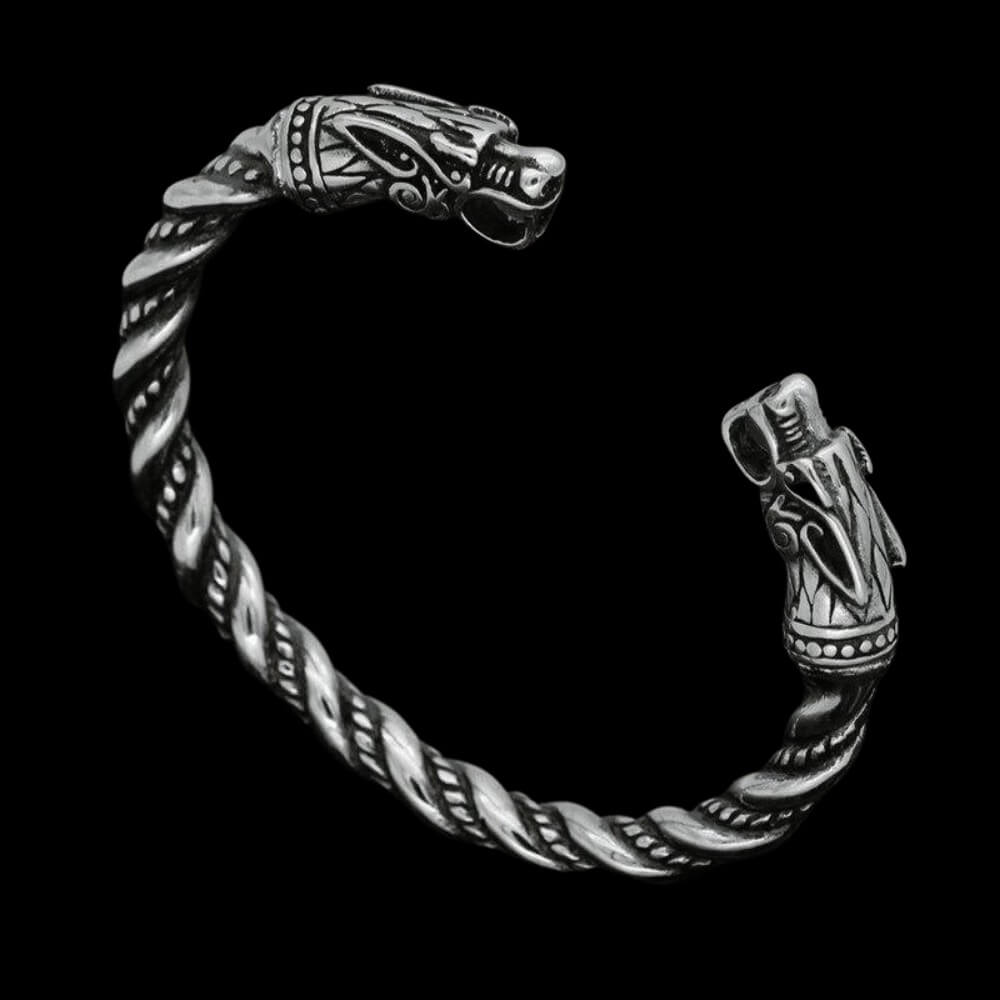
Life in the Varangian Guard transformed the Norse identity into something unique and cosmopolitan. These warriors were a bridge between the Germanic North and the Greco-Roman East. They left their mark physically on the landscape, most famously in the form of runic graffiti. In the Hagia Sophia in Istanbul, one can still see the name "Halvdan" carved into a marble balustrade by a bored Varangian sentry over a thousand years ago. In Athens, a massive marble lion statue was found with long runic inscriptions carved into its shoulders by Norse mercenaries. These men were proud of their heritage, yet they were equally proud of their status as the highest-paid soldiers in the civilized world, often wearing heavy gold arm rings and intricate silks that signaled their success in the East.
The Legacy of the Axe-Bearers
The Varangian Guard survived for centuries, eventually recruiting heavily from Anglo-Saxon England after the Norman Conquest. These men were survivors who adapted their traditional shield-wall tactics to the sophisticated warfare of the Mediterranean. Today, the history of the Guard serves as a reminder that the Viking Age was a truly global era. The symbols they wore, a blend of Norse runes and Eastern craftsmanship, represent a spirit of exploration that was not afraid to cross half the world for gold and glory. For the modern enthusiast, the story of the Varangians is a celebration of the Norseman as a professional, a traveler, and a legendary guardian of the world’s greatest empire.