Blót and Sacrifice: The Sacred Autumn Rituals of the North
In the modern imagination, the word "sacrifice" often evokes images of grim, somber rituals carried out in dark temples. For the people of the Viking Age, however, the Blót was something entirely different: a vibrant, high-energy communal celebration that bound the human, natural, and divine worlds together. As the golden light of late summer faded into the freezing dark of autumn, holding a Blót was not merely an act of religious duty; it was an essential strategy for survival, social cohesion, and spiritual renewal.
What Was a Blót?
The word Blót originates from the Proto-Germanic root meaning to strengthen, hallow, or worship with blood. At its core, the ritual was based on the fundamental Old Norse concept of reciprocity; a sacred exchange expressed by the phrase do ut des ("I give so that you might give").
To the Norse mindset, the gods were not distant, detached rulers demanding blind obedience. They were active partners in maintaining cosmic order. The sun, rain, fertile soil, and successful harvests were gifts from the gods and land spirits (landvættir). In return, humanity offered food, drink, and animal sacrifice to honor that partnership, strengthen the gods, and ensure the continued prosperity of the clan.
The Anatomy of an Autumn Blót
Autumn was the premier season for major Blót ceremonies across Scandinavia. With livestock harvested during Gormánuður (the Slaughter Month) and granaries filled after the summer yield, communities possessed the resources needed to host lavish multi-day gatherings.
The ritual followed a structured sequence led by a chieftain (goði) or household matriarch (gyðja):
-
The Sanctification: The ceremony began by hallowing the ritual ground or hall fire using a sacred hammer symbol, calling upon Thor or Freyr to protect the space from chaotic forces.
-
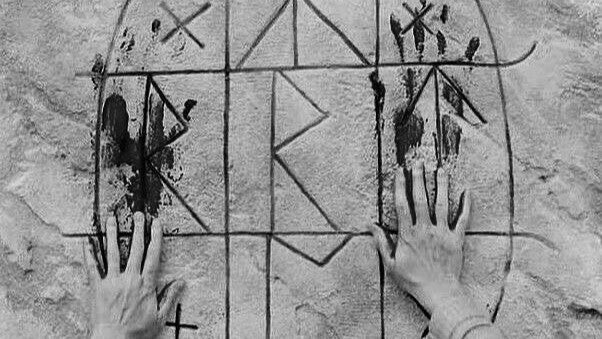
The Offering: Livestock, typically horses, boars, cattle, or rams, were offered in sacrifice. The animal's blood, known as hlaut, was caught in sacred copper or wooden bowls (hlautbóll).
-
The Blessing: Using a wooden sprig called a hlautteinn, the chieftain sprinkled the sacrificial blood over the altar (hörgr), the hall walls, and the assembled participants. This act symbolically bound every person present to the gods and to one another.
-
The Feast: The meat of the sacrificed animals was never wasted. It was cooked in large cauldrons over the longhouse hearth, forming the center of a massive feast where every member of the community ate, drank, and celebrated together.
Toasting the Gods and Ancestors
Central to the autumn Blót was the formal passing of the ceremonial drinking horn, filled with freshly brewed autumn ale or mead. The horn was passed in a strict, ritualized order to make sacred toasts (bragarfull):
-
To Odin: Drunk for victory, wisdom, and success in leadership.
-
To Njörðr and Freyr: Drunk for a bountiful harvest, fertile livestock, wealth, and peace (ár ok friðr).
-
To the Ancestors: Drunk to honor the departed, invoking the memory and luck (Hamingja) of deceased kinsmen.
-
The Oath Toast: Warriors and clan members stepped forward to make binding vows over the horn, committing to heroic deeds or community service in the coming year.
The Social and Political Engine of the North
Beyond its spiritual importance, the autumn Blót was the vital social engine of Norse society. In a world without centralized states or formal court systems, the Blót was where law codes were reaffirmed, legal disputes were settled, marriages were arranged, and political alliances were forged.
A chieftain's authority rested directly on his ability to host a generous, abundant Blót. By slaughtering his own livestock and sharing his food and mead with free farmers (bændur), a leader demonstrated his wealth, his generosity, and his divine favor. A poorly attended or stingy Blót signaled a failing chieftain whose luck was running out.
A Legacy of Gratitude and Unity
The autumn Blót reminds us that ancient Northern spiritual practices were rooted in community resilience and deep gratitude for the earth's yield. By gathering around the longhouse hearth to share food, toast the spirits, and honor their ancestors before the winter cold arrived, the Norse fortified their bonds, ensuring that no individual faced the coming dark alone.