The Dublin Kingdom: How Norse Raiders Built Ireland’s Oldest Cities
The historical narrative of the Vikings in Ireland often begins with the terrifying sounds of iron oars and the burning of coastal monasteries. For decades, Norse interaction with the Irish landscape was defined by rapid, destructive raids intended to capture silver, cattle, and slaves. However, over the course of the ninth and tenth centuries, a profound transformation occurred. The fierce raiders from Scandinavia transitioned from seasonal plunderers into permanent settlers, merchants, and urban planners. In doing so, they founded the Dublin Kingdom and established the very foundations of Ireland’s oldest cities.
From Longphort to Living Capital
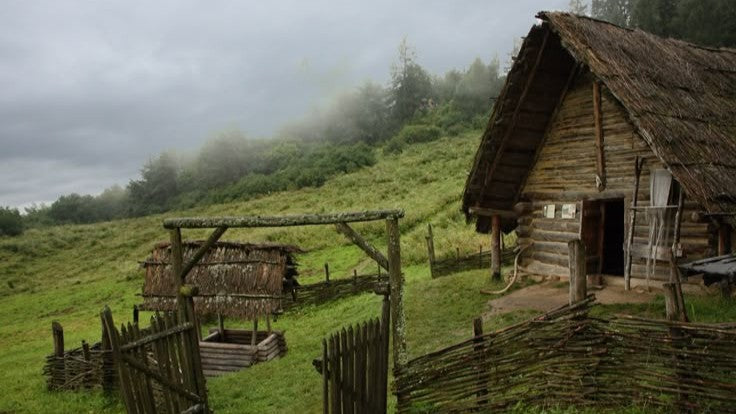
In the early decades of the Viking Age, Norse fleets needed secure bases to shelter their ships during the stormy winter months. They constructed fortified coastal camps known as longphorts. In the year 841, a major longphort was established at a spot where the River Liffey met the River Poddle, forming a dark tidal pool. The local Irish referred to this feature as the "Dubh Linn," meaning black pool.
Over the generations, this temporary winter camp evolved. The earthen ramparts were replaced by sturdy stone and timber defensive walls, and the simple ship shelters grew into permanent wooden longhouses. By the tenth century, the Dublin Kingdom had emerged as a powerful, independent Norse city-state. It was no longer a pirate nest, but the largest and most prosperous trading hub in the entire Irish Sea region, acting as a crucial bridge between the Scandinavian homelands, the British Isles, and mainland Europe.
The Trade Network of the Irish Sea
The establishment of Dublin completely altered the economy of early medieval Ireland. Before the arrival of the Norse, Irish society was deeply rural and pastoral, centered on farming communities, monastic centers, and cattle wealth. The Vikings introduced large-scale international commerce and coinage to the island.
Excavations at the famous Wood Quay site in Dublin have revealed the immense scale of this trade. Archaeologists have uncovered silver hoards containing coins minted in Central Asia, silk from the Byzantine Empire, amber from the Baltic Sea, and walrus ivory from the Arctic circle. Dublin became a bustling metropolis where blacksmiths, leatherworkers, comb-makers, and shipbuilders operated specialized workshops, creating a wealthy merchant class that relied on the stability of urban life to thrive.
Replicating Success Along the Coast
The success of the Dublin Kingdom provided a blueprint for Norse settlement across the rest of the island. Recognizing the strategic importance of Ireland’s river mouths and natural harbors, Viking leaders established a chain of fortified trading cities along the southern and eastern coasts.
-
Waterford: Founded as Veðrafjörðr (meaning weather fjord) in 914, it became a massive naval base controlling the inland river systems.
-
Limerick: Established as Hlymrekr on the River Shannon, it served as a western stronghold for raiding and trading along the Atlantic coast.
-
Wexford and Cork: Both grew from seasonal Norse encampments into vital commercial ports, integrating Ireland into the global maritime networks of the Atlantic.
The Birth of a Hiberno-Norse Culture
As the centuries progressed, the boundaries between the Scandinavian settlers and the native Irish began to blur. The Norse kings of Dublin realized that permanent survival required political integration. They formed complex military alliances with provincial Irish kings, often fighting alongside Irish warlords against rival Viking factions.
Intermarriage became common, creating a distinct, blended population known to historians as the Hiberno-Norse. These urban citizens spoke a mix of Old Norse and Gaelic, adopted Christianity while maintaining pagan artistic traditions, and minted Ireland's very first coins under the Norse king Sitric Silkenbeard.
The Urban Legacy of the Longships
When the era of Viking military dominance in Ireland came to an end at the famous Battle of Clontarf in 1014, the cities themselves did not vanish. The military power of the Dublin Kingdom was broken, but the urban infrastructure remained intact. The Norse had permanently altered the geography of Ireland, shifting the focus of wealth and power from inland monastic sites to coastal commercial cities. Today, walking through the narrow streets of Temple Bar in Dublin or standing near Reginald’s Tower in Waterford means stepping directly onto the ancient footprints left by the Norse raiders who laid down their axes to build a nation's urban heart.